

Sep 2023 - Present
Sep 2023 - Present
Sep 2023 - Present
Chronolog
Chronolog
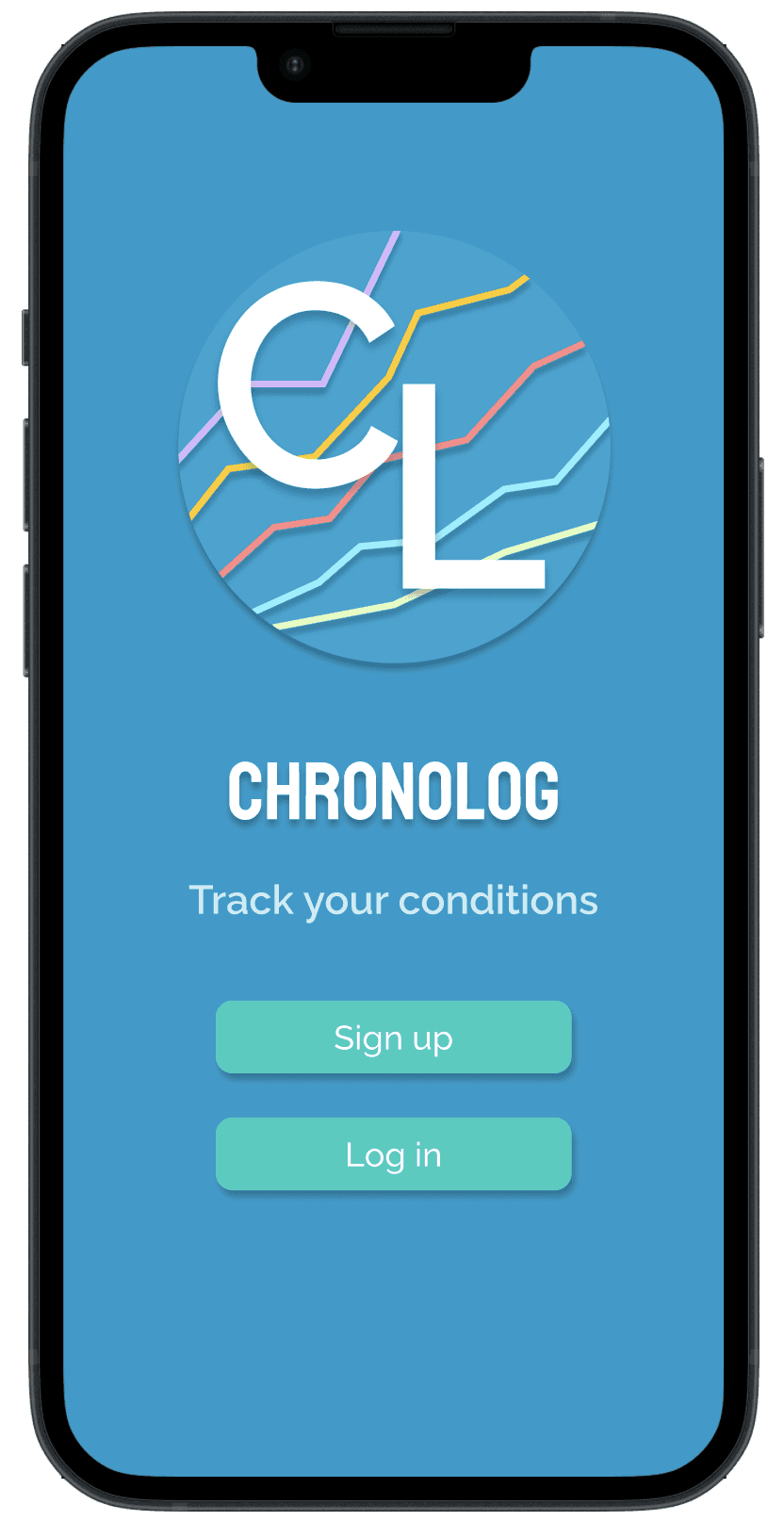
The Project
The Project
THE PROJECT
Chronolog is a medical app that allows users to:
Track multiple chronic conditions (especially those that are poorly understood), such as long COVID, Lyme disease, lupus, etc., in line graphs,
Enroll in clinical trials in order to contribute to research surrounding their disease,
Use the chat feature to discuss with others with similar or the same diseases, and
Learn about new research surrounding the disease.
Chronolog is a medical app that allows users to:
Track multiple chronic conditions (especially those that are poorly understood), such as long COVID, Lyme disease, lupus, etc., in line graphs,
Enroll in clinical trials in order to contribute to research surrounding their disease,
Use the chat feature to discuss with others with similar or the same diseases, and
Learn about new research surrounding the disease.
Chronolog is a medical app that allows users to:
Track multiple chronic conditions (especially those that are poorly understood), such as long COVID, Lyme disease, lupus, etc., in line graphs,
Enroll in clinical trials in order to contribute to research surrounding their disease,
Use the chat feature to discuss with others with similar or the same diseases, and
Learn about new research surrounding the disease.
The overall purpose of this app is to use insights such as symptoms, flare-ups/triggers, and medications to contribute towards research for these diseases, while also give patients a better way to track their diseases.
The overall purpose of this app is to use insights such as symptoms, flare-ups/triggers, and medications to contribute towards research for these diseases, while also give patients a better way to track their diseases.
The overall purpose of this app is to use insights such as symptoms, flare-ups/triggers, and medications to contribute towards research for these diseases, while also give patients a better way to track their diseases.
The Process
The Process
Research and Anecdotal Evidence
User Flow
Lo-Fis
Hi-Fis (In progress)
Research and Anecdotal Evidence
User Flow
Lo-Fis
Hi-Fis (In progress)
Research and Anecdotal Evidence
User Flow
Lo-Fis
Hi-Fis (In progress)
Target Users
Target Users
OUR TARGET USER: a patient with one or more diagnosed diseases
Our target user is a patient with one or more diagnosed diseases.
How can an AI-based VR system help in learning or practicing or enhancing this skill?
Users can test their reaction time and test their skills without much pressure and without worry of an injury (such as sunburn, strain from muscles, etc). Users would not have to worry about purchasing expensive equipment and finding a partner. They would also be able to learn the rules of the game using practice.
Without the weight of rackets and the pressure from hitting the ball, this would be a lot less strain on the body.
In what ways adding AI could be counterproductive or not helpful to the user? AI is not perfect. What are some possible challenges or negative outcomes that could come from adding AI to this specific skill (i.e., what would be the result of AI errors and unpredictability for the user trying to learn this skill)?
Adding AI could be unhelpful to the user if there are some glitches in the movement, leading to the user being confused. Also, if the AI gives the wrong instructions to the user. The result of this would be the user learning the wrong skills and not being able to play the sport in real life properly. Furthermore, the experience of playing tennis virtually may have a different feel than in reality, which may make the skills difficult to transfer.
How can an AI-based VR system help in learning or practicing or enhancing this skill?
Users can test their reaction time and test their skills without much pressure and without worry of an injury (such as sunburn, strain from muscles, etc). Users would not have to worry about purchasing expensive equipment and finding a partner. They would also be able to learn the rules of the game using practice.
Without the weight of rackets and the pressure from hitting the ball, this would be a lot less strain on the body.
In what ways adding AI could be counterproductive or not helpful to the user? AI is not perfect. What are some possible challenges or negative outcomes that could come from adding AI to this specific skill (i.e., what would be the result of AI errors and unpredictability for the user trying to learn this skill)?
Adding AI could be unhelpful to the user if there are some glitches in the movement, leading to the user being confused. Also, if the AI gives the wrong instructions to the user. The result of this would be the user learning the wrong skills and not being able to play the sport in real life properly. Furthermore, the experience of playing tennis virtually may have a different feel than in reality, which may make the skills difficult to transfer.
Research and Anecdotal Evidence
Research and Anecdotal Evidence
ONE SKIN DISEASE?
Originally, the app was intended for a specific skin disease called Hidradenitis Suppurativa (HS), based on anecdotal evidence from patients with this disease.
However, as we interviewed more people, we found that we could expand to all sorts of diseases that require symptom tracking.
How can an AI-based VR system help in learning or practicing or enhancing this skill?
Users can test their reaction time and test their skills without much pressure and without worry of an injury (such as sunburn, strain from muscles, etc). Users would not have to worry about purchasing expensive equipment and finding a partner. They would also be able to learn the rules of the game using practice.
Without the weight of rackets and the pressure from hitting the ball, this would be a lot less strain on the body.
In what ways adding AI could be counterproductive or not helpful to the user? AI is not perfect. What are some possible challenges or negative outcomes that could come from adding AI to this specific skill (i.e., what would be the result of AI errors and unpredictability for the user trying to learn this skill)?
Adding AI could be unhelpful to the user if there are some glitches in the movement, leading to the user being confused. Also, if the AI gives the wrong instructions to the user. The result of this would be the user learning the wrong skills and not being able to play the sport in real life properly. Furthermore, the experience of playing tennis virtually may have a different feel than in reality, which may make the skills difficult to transfer.
How can an AI-based VR system help in learning or practicing or enhancing this skill?
Users can test their reaction time and test their skills without much pressure and without worry of an injury (such as sunburn, strain from muscles, etc). Users would not have to worry about purchasing expensive equipment and finding a partner. They would also be able to learn the rules of the game using practice.
Without the weight of rackets and the pressure from hitting the ball, this would be a lot less strain on the body.
In what ways adding AI could be counterproductive or not helpful to the user? AI is not perfect. What are some possible challenges or negative outcomes that could come from adding AI to this specific skill (i.e., what would be the result of AI errors and unpredictability for the user trying to learn this skill)?
Adding AI could be unhelpful to the user if there are some glitches in the movement, leading to the user being confused. Also, if the AI gives the wrong instructions to the user. The result of this would be the user learning the wrong skills and not being able to play the sport in real life properly. Furthermore, the experience of playing tennis virtually may have a different feel than in reality, which may make the skills difficult to transfer.
Our formal research began with researching various methods of tracking symptoms of HS, as well interviewing a set of around 25 target users about what they would want in a simple symptom tracker app.
How can an AI-based VR system help in learning or practicing or enhancing this skill?
Users can test their reaction time and test their skills without much pressure and without worry of an injury (such as sunburn, strain from muscles, etc). Users would not have to worry about purchasing expensive equipment and finding a partner. They would also be able to learn the rules of the game using practice.
Without the weight of rackets and the pressure from hitting the ball, this would be a lot less strain on the body.
In what ways adding AI could be counterproductive or not helpful to the user? AI is not perfect. What are some possible challenges or negative outcomes that could come from adding AI to this specific skill (i.e., what would be the result of AI errors and unpredictability for the user trying to learn this skill)?
Adding AI could be unhelpful to the user if there are some glitches in the movement, leading to the user being confused. Also, if the AI gives the wrong instructions to the user. The result of this would be the user learning the wrong skills and not being able to play the sport in real life properly. Furthermore, the experience of playing tennis virtually may have a different feel than in reality, which may make the skills difficult to transfer.
Our formal research began with researching various methods of tracking symptoms of HS, as well interviewing a set of around 25 target users about what they would want in a simple symptom tracker app.
Our Insights
How can an AI-based VR system help in learning or practicing or enhancing this skill?
Users can test their reaction time and test their skills without much pressure and without worry of an injury (such as sunburn, strain from muscles, etc). Users would not have to worry about purchasing expensive equipment and finding a partner. They would also be able to learn the rules of the game using practice.
Without the weight of rackets and the pressure from hitting the ball, this would be a lot less strain on the body.
In what ways adding AI could be counterproductive or not helpful to the user? AI is not perfect. What are some possible challenges or negative outcomes that could come from adding AI to this specific skill (i.e., what would be the result of AI errors and unpredictability for the user trying to learn this skill)?
Adding AI could be unhelpful to the user if there are some glitches in the movement, leading to the user being confused. Also, if the AI gives the wrong instructions to the user. The result of this would be the user learning the wrong skills and not being able to play the sport in real life properly. Furthermore, the experience of playing tennis virtually may have a different feel than in reality, which may make the skills difficult to transfer.
OUR RESEARCH INSIGHTS - WHAT OUR USERS VALUE
Most users found that digital symptom tracking is faster and more convenient.
Best time of day to track symptoms is bedtime (considered potential integration with sleep app on Apple)
Factors that are important to track:
General factors: Overall mood, level of pain, sleep times, questions to ask healthcare provider, and any events that were unique to that day
Potential triggers: Certain foods, stress, weather, menstrual periods, clothing, exercise and perspiration, etc.
HS Specific: Flares, pain, itch, drainage, and how often you are getting new boils
We also asked users what they believe the benefits of symptom tracking are:
Allows to determine which factors are influencing their flare-ups
Allows to accurately relay to their healthcare providers what has been going on between visits, leads to more time effective physician visits.
How can an AI-based VR system help in learning or practicing or enhancing this skill?
Users can test their reaction time and test their skills without much pressure and without worry of an injury (such as sunburn, strain from muscles, etc). Users would not have to worry about purchasing expensive equipment and finding a partner. They would also be able to learn the rules of the game using practice.
Without the weight of rackets and the pressure from hitting the ball, this would be a lot less strain on the body.
In what ways adding AI could be counterproductive or not helpful to the user? AI is not perfect. What are some possible challenges or negative outcomes that could come from adding AI to this specific skill (i.e., what would be the result of AI errors and unpredictability for the user trying to learn this skill)?
Adding AI could be unhelpful to the user if there are some glitches in the movement, leading to the user being confused. Also, if the AI gives the wrong instructions to the user. The result of this would be the user learning the wrong skills and not being able to play the sport in real life properly. Furthermore, the experience of playing tennis virtually may have a different feel than in reality, which may make the skills difficult to transfer.
After collecting anecdotal evidence from our users, we decided to make tracking symptoms as the most important feature in our app, along with the ability to sign up for clinical trials in order to contribute to research.
How can an AI-based VR system help in learning or practicing or enhancing this skill?
Users can test their reaction time and test their skills without much pressure and without worry of an injury (such as sunburn, strain from muscles, etc). Users would not have to worry about purchasing expensive equipment and finding a partner. They would also be able to learn the rules of the game using practice.
Without the weight of rackets and the pressure from hitting the ball, this would be a lot less strain on the body.
In what ways adding AI could be counterproductive or not helpful to the user? AI is not perfect. What are some possible challenges or negative outcomes that could come from adding AI to this specific skill (i.e., what would be the result of AI errors and unpredictability for the user trying to learn this skill)?
Adding AI could be unhelpful to the user if there are some glitches in the movement, leading to the user being confused. Also, if the AI gives the wrong instructions to the user. The result of this would be the user learning the wrong skills and not being able to play the sport in real life properly. Furthermore, the experience of playing tennis virtually may have a different feel than in reality, which may make the skills difficult to transfer.
User Flow
How can an AI-based VR system help in learning or practicing or enhancing this skill?
Users can test their reaction time and test their skills without much pressure and without worry of an injury (such as sunburn, strain from muscles, etc). Users would not have to worry about purchasing expensive equipment and finding a partner. They would also be able to learn the rules of the game using practice.
Without the weight of rackets and the pressure from hitting the ball, this would be a lot less strain on the body.
In what ways adding AI could be counterproductive or not helpful to the user? AI is not perfect. What are some possible challenges or negative outcomes that could come from adding AI to this specific skill (i.e., what would be the result of AI errors and unpredictability for the user trying to learn this skill)?
Adding AI could be unhelpful to the user if there are some glitches in the movement, leading to the user being confused. Also, if the AI gives the wrong instructions to the user. The result of this would be the user learning the wrong skills and not being able to play the sport in real life properly. Furthermore, the experience of playing tennis virtually may have a different feel than in reality, which may make the skills difficult to transfer.
NAVIGATING THE APP
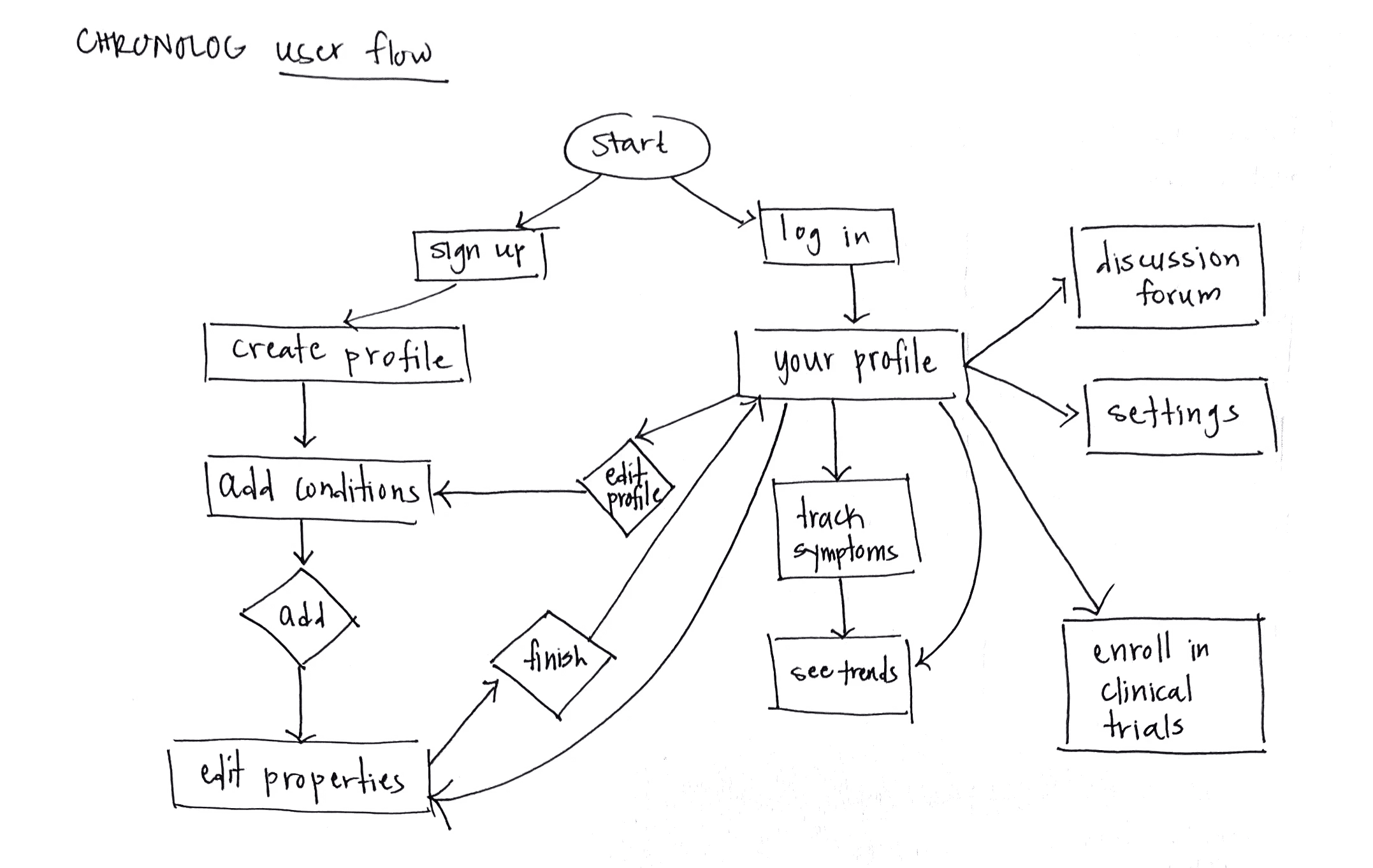
The user starts off by either logging in or signing up for Chronolog.
Logging in takes the user to their profile, where they can see a list of their conditions that they have added.
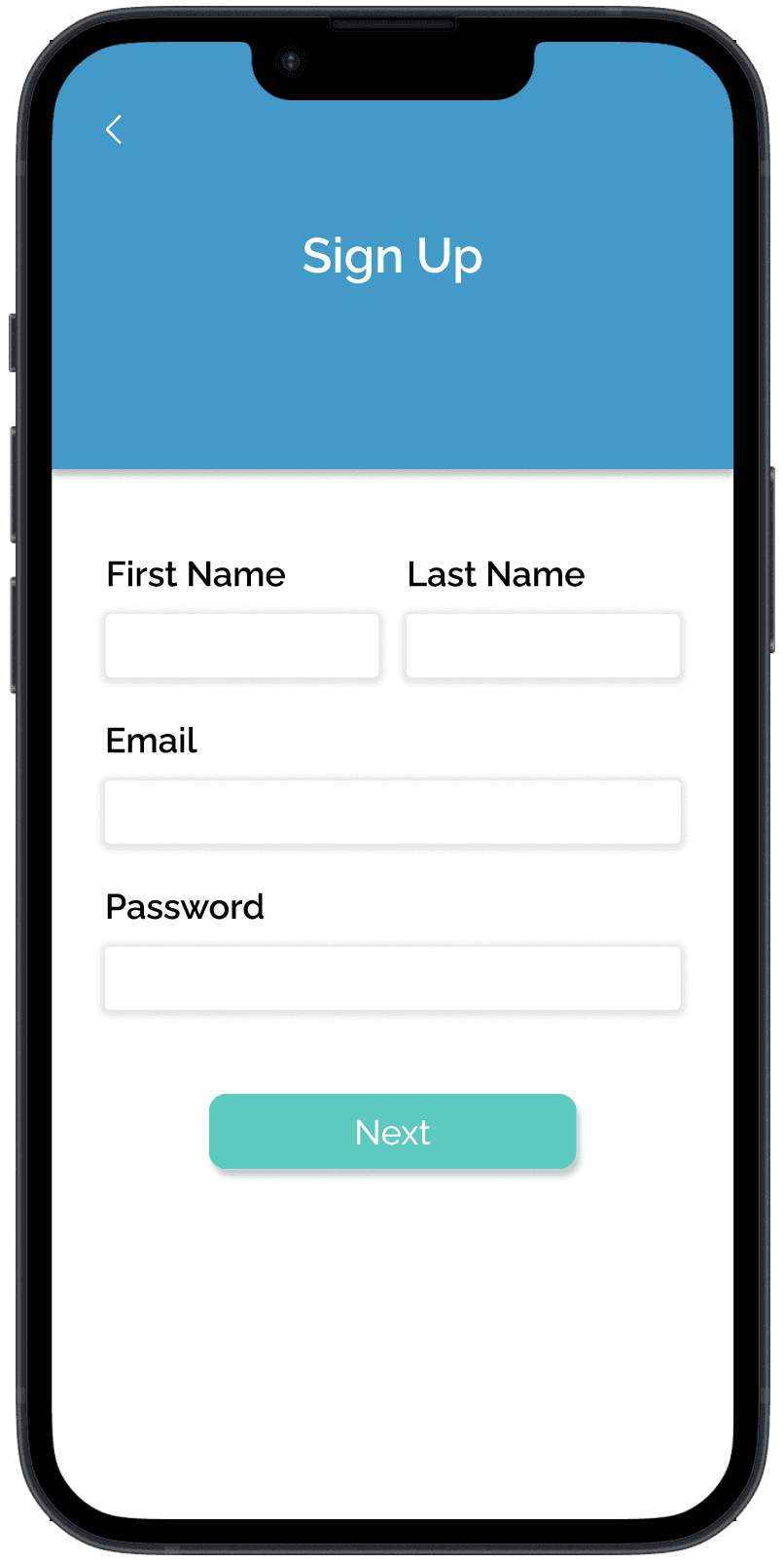
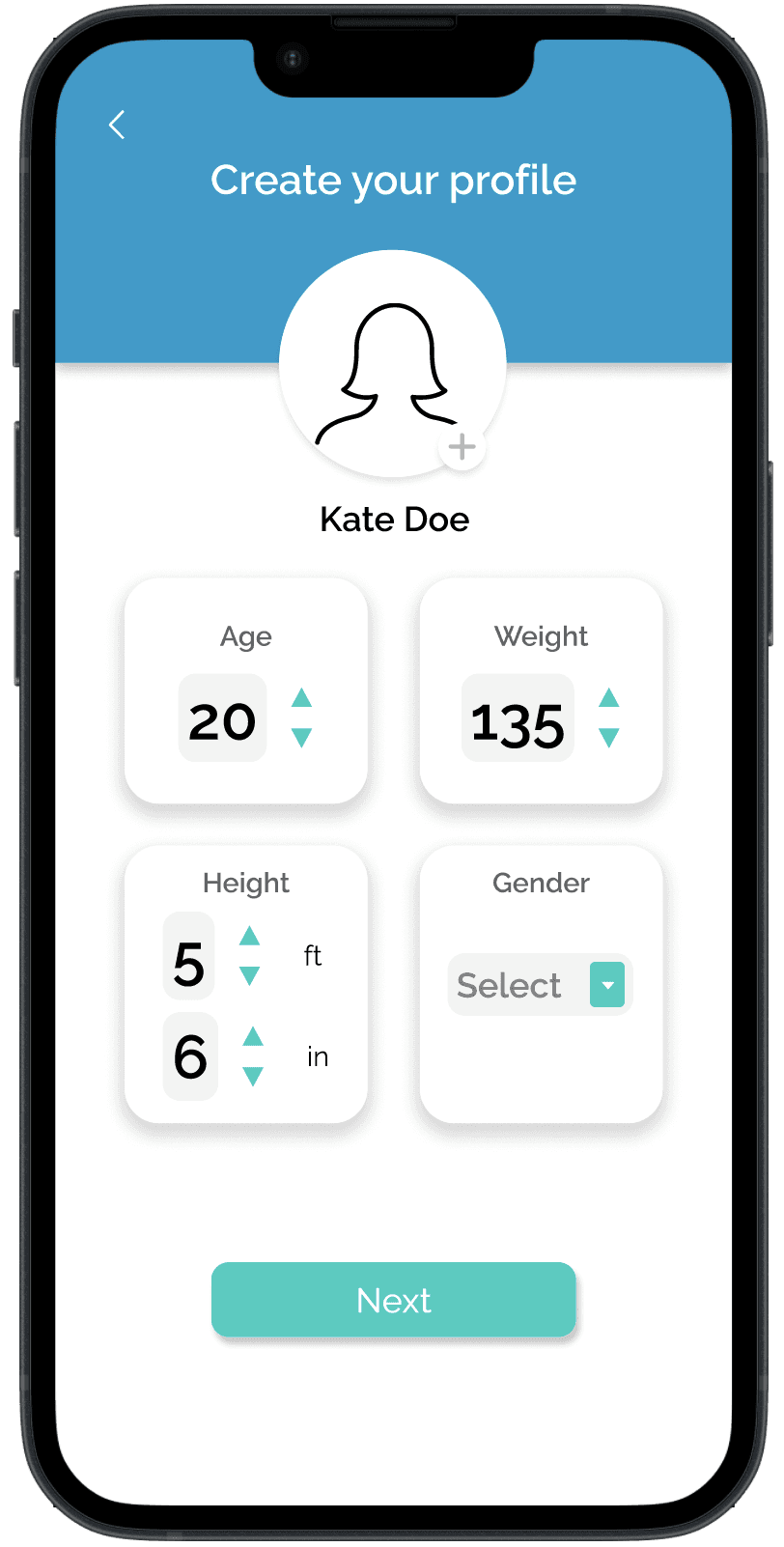
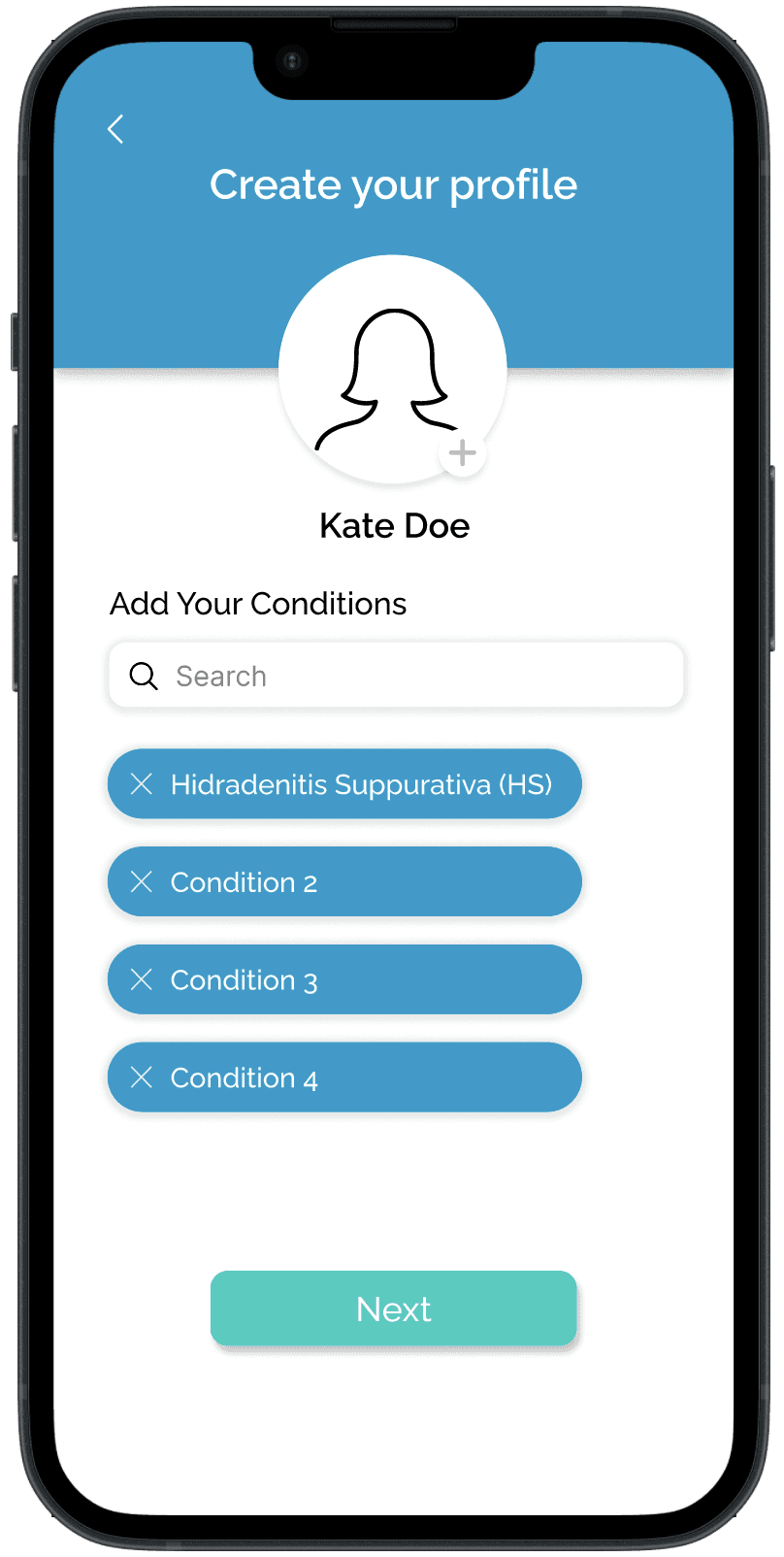
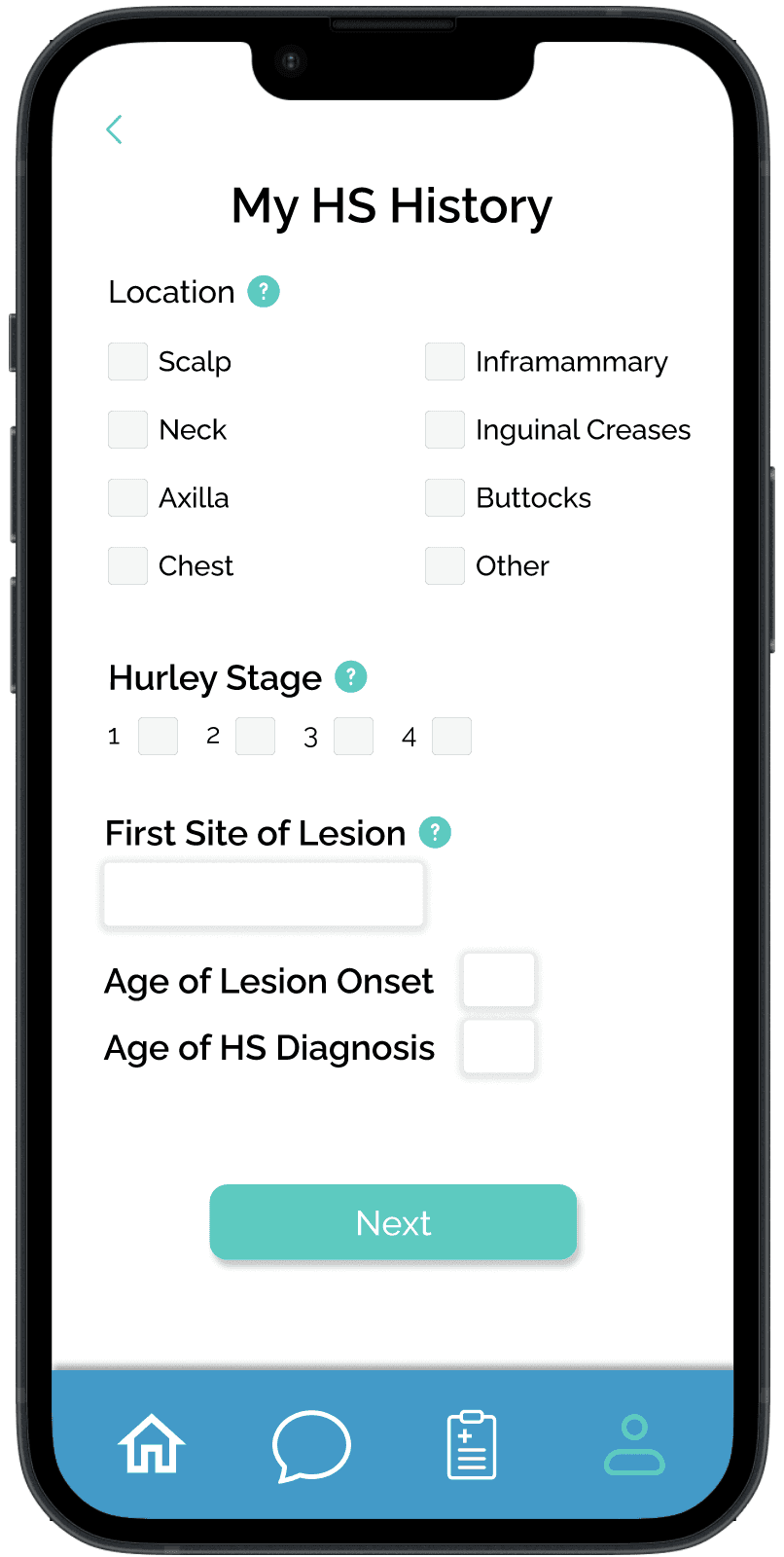
Signing up takes the user to create their profile, adding in their basic personal information and then adding their conditions (for each condition, they add properties such as history, comorbidities, current treatments, etc.). They can also add a profile photo.
After the user finishes adding their conditions, they are taken to their profile.
From the profile, they can edit their profile (e.g. add more conditions, change their profile picture) or edit the properties of their conditions.
They can also enroll in clinical trials and read information about a particular condition.
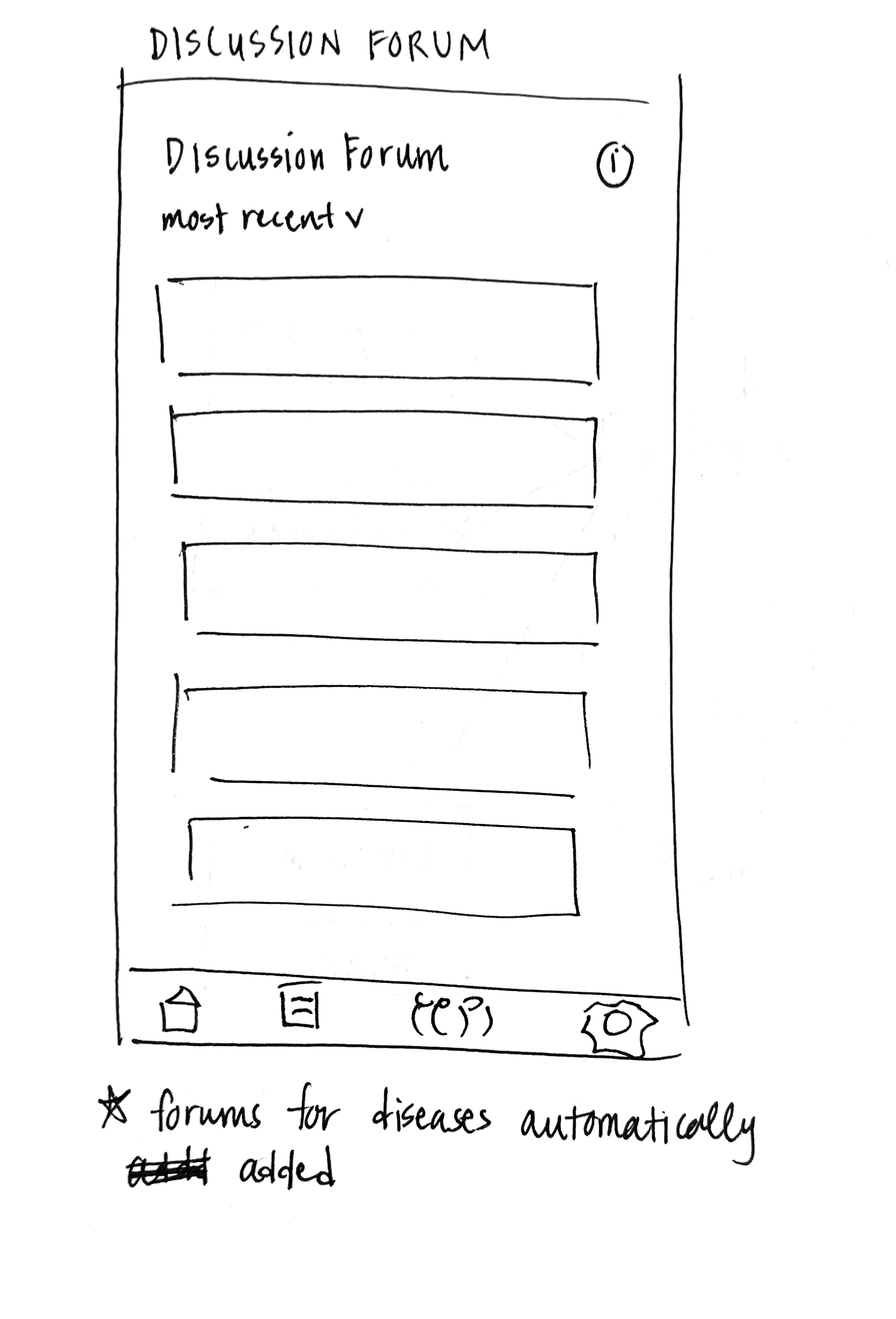
We also decided to implement an additional feature of a discussion forum dedicated to each disease that the user can participate in. We will test this feature after our first prototype.
How can an AI-based VR system help in learning or practicing or enhancing this skill?
Users can test their reaction time and test their skills without much pressure and without worry of an injury (such as sunburn, strain from muscles, etc). Users would not have to worry about purchasing expensive equipment and finding a partner. They would also be able to learn the rules of the game using practice.
Without the weight of rackets and the pressure from hitting the ball, this would be a lot less strain on the body.
In what ways adding AI could be counterproductive or not helpful to the user? AI is not perfect. What are some possible challenges or negative outcomes that could come from adding AI to this specific skill (i.e., what would be the result of AI errors and unpredictability for the user trying to learn this skill)?
Adding AI could be unhelpful to the user if there are some glitches in the movement, leading to the user being confused. Also, if the AI gives the wrong instructions to the user. The result of this would be the user learning the wrong skills and not being able to play the sport in real life properly. Furthermore, the experience of playing tennis virtually may have a different feel than in reality, which may make the skills difficult to transfer.
Lo-Fi Wireframes
How can an AI-based VR system help in learning or practicing or enhancing this skill?
Users can test their reaction time and test their skills without much pressure and without worry of an injury (such as sunburn, strain from muscles, etc). Users would not have to worry about purchasing expensive equipment and finding a partner. They would also be able to learn the rules of the game using practice.
Without the weight of rackets and the pressure from hitting the ball, this would be a lot less strain on the body.
In what ways adding AI could be counterproductive or not helpful to the user? AI is not perfect. What are some possible challenges or negative outcomes that could come from adding AI to this specific skill (i.e., what would be the result of AI errors and unpredictability for the user trying to learn this skill)?
Adding AI could be unhelpful to the user if there are some glitches in the movement, leading to the user being confused. Also, if the AI gives the wrong instructions to the user. The result of this would be the user learning the wrong skills and not being able to play the sport in real life properly. Furthermore, the experience of playing tennis virtually may have a different feel than in reality, which may make the skills difficult to transfer.
MOCKUPS/SKETCHES
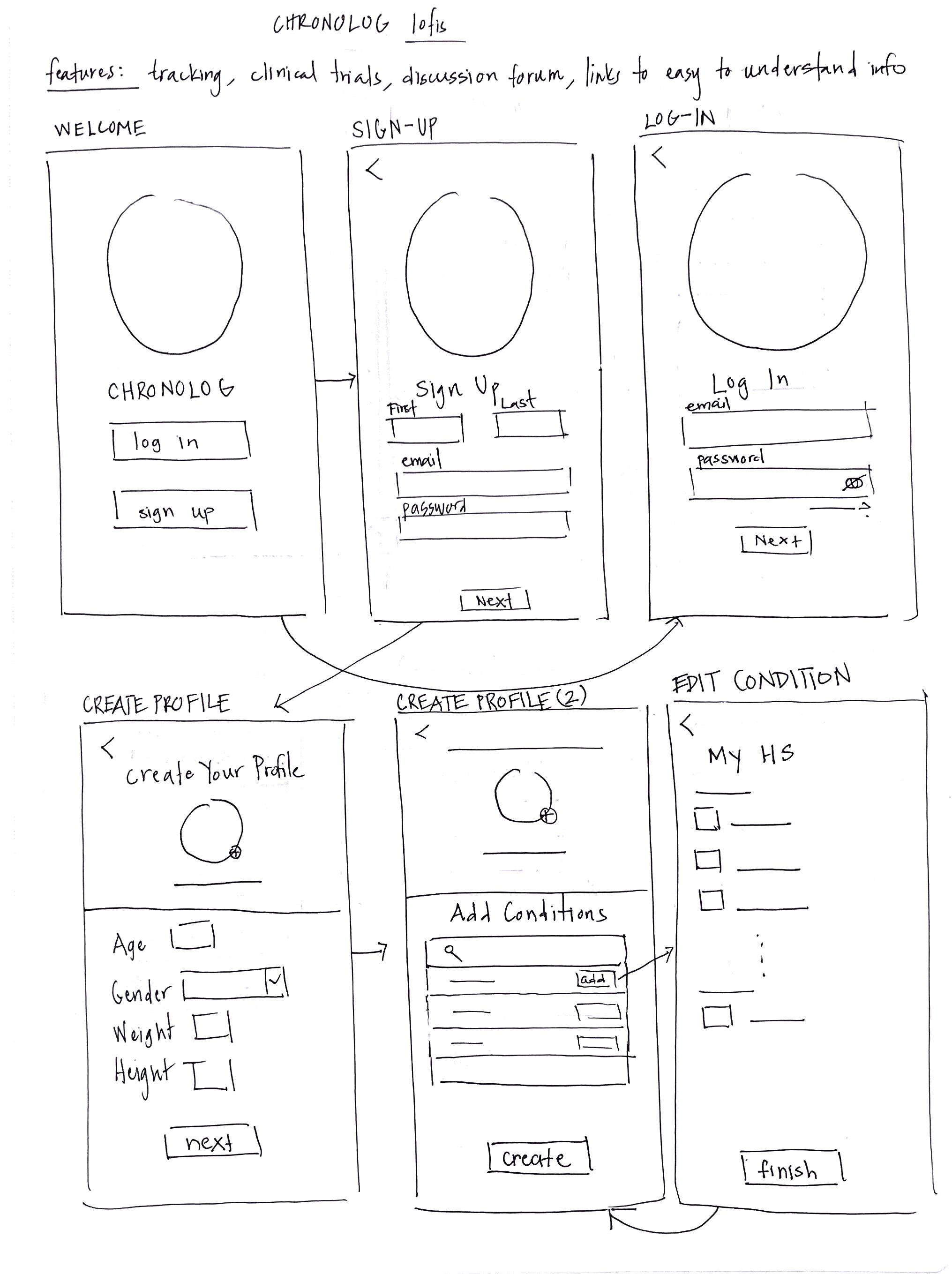
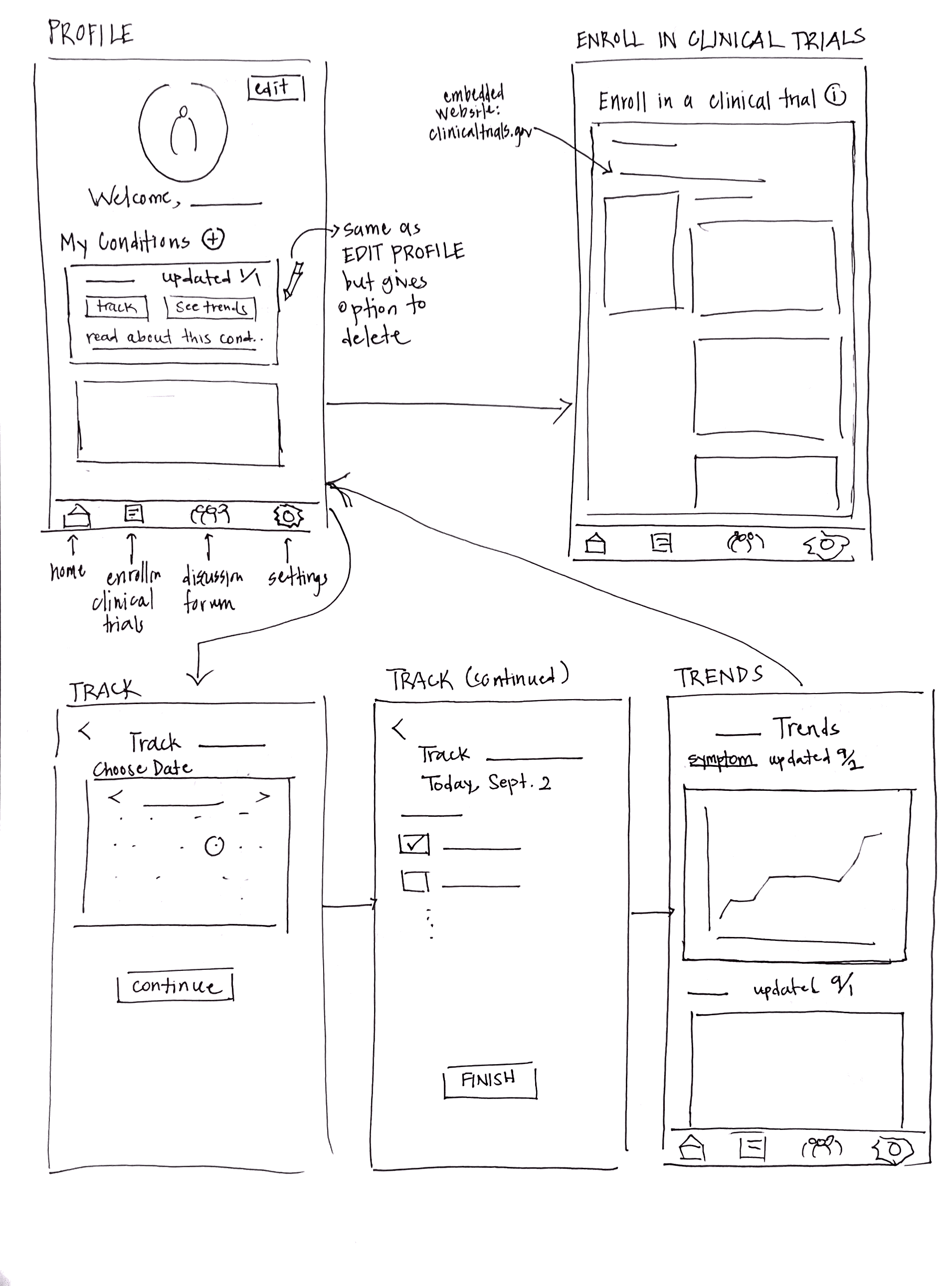
After constructing the user flow, I drew out the lo-fi wireframes for the full app.
The menu bar at the bottom allows the user to access their home (or profile), enroll in clinical trials, participate in a discussion forum, and settings.
The profile page displays the user’s conditions in boxes. In each box, the user has the option to track symptoms of that condition, see trends of the symptoms, and read about the condition itself. The track button leads the user to choose a day, track the symptoms on that particular day, and finally displays the trends of those symptoms.
How can an AI-based VR system help in learning or practicing or enhancing this skill?
Users can test their reaction time and test their skills without much pressure and without worry of an injury (such as sunburn, strain from muscles, etc). Users would not have to worry about purchasing expensive equipment and finding a partner. They would also be able to learn the rules of the game using practice.
Without the weight of rackets and the pressure from hitting the ball, this would be a lot less strain on the body.
In what ways adding AI could be counterproductive or not helpful to the user? AI is not perfect. What are some possible challenges or negative outcomes that could come from adding AI to this specific skill (i.e., what would be the result of AI errors and unpredictability for the user trying to learn this skill)?
Adding AI could be unhelpful to the user if there are some glitches in the movement, leading to the user being confused. Also, if the AI gives the wrong instructions to the user. The result of this would be the user learning the wrong skills and not being able to play the sport in real life properly. Furthermore, the experience of playing tennis virtually may have a different feel than in reality, which may make the skills difficult to transfer.
The menu bar at the bottom allows the user to access their home (or profile), enroll in clinical trials, participate in a discussion forum, and settings.
The profile page displays the user’s conditions in boxes. In each box, the user has the option to track symptoms of that condition, see trends of the symptoms, and read about the condition itself. The track button leads the user to choose a day, track the symptoms on that particular day, and finally displays the trends of those symptoms.
In Progress Hi-Fi Work
How can an AI-based VR system help in learning or practicing or enhancing this skill?
Users can test their reaction time and test their skills without much pressure and without worry of an injury (such as sunburn, strain from muscles, etc). Users would not have to worry about purchasing expensive equipment and finding a partner. They would also be able to learn the rules of the game using practice.
Without the weight of rackets and the pressure from hitting the ball, this would be a lot less strain on the body.
In what ways adding AI could be counterproductive or not helpful to the user? AI is not perfect. What are some possible challenges or negative outcomes that could come from adding AI to this specific skill (i.e., what would be the result of AI errors and unpredictability for the user trying to learn this skill)?
Adding AI could be unhelpful to the user if there are some glitches in the movement, leading to the user being confused. Also, if the AI gives the wrong instructions to the user. The result of this would be the user learning the wrong skills and not being able to play the sport in real life properly. Furthermore, the experience of playing tennis virtually may have a different feel than in reality, which may make the skills difficult to transfer.
© Framer Inc. 2023